Buying a Home With Land Near Taylor: Lender Rules
Real Estate Paige Morris April 16, 2026
Real Estate Paige Morris April 16, 2026
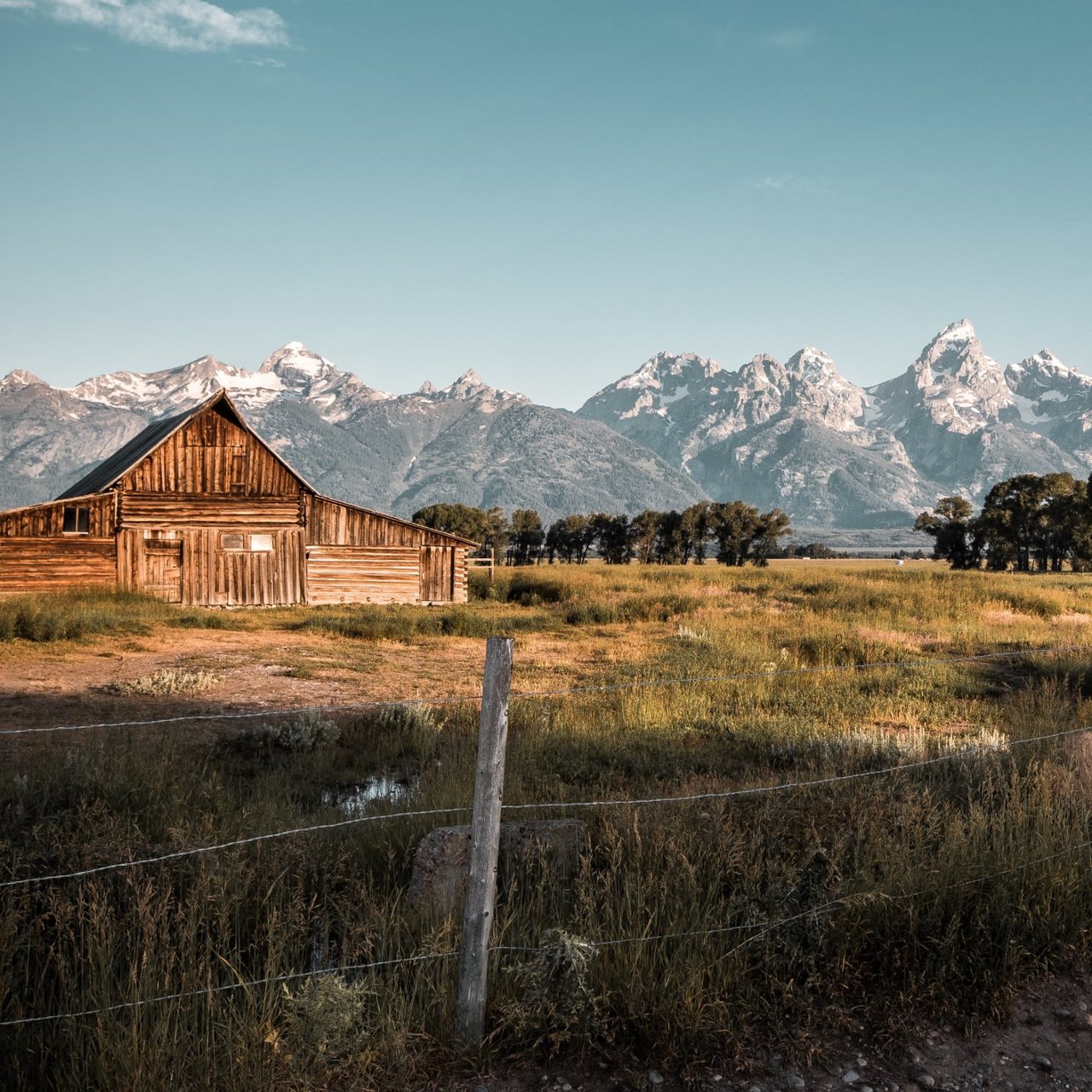
Thinking about buying a home with extra acreage near Taylor? Whether it’s a few acres for privacy or a full rural property outside city limits, homes with land can offer more freedom—but they also come with different lending rules.
In the next few minutes, you’ll learn how lenders view homes with land, what factors affect loan approval, and how understanding these details can help you buy confidently in Taylor’s surrounding communities.
Across Williamson County, especially around Taylor, Thrall, and Coupland, more buyers are seeking homes with space to grow—literally. Open land means options: gardening, small livestock, workshops, or simply more room between neighbors.
But financing a home with acreage isn’t quite the same as financing a suburban property. Lenders evaluate these purchases differently, depending on the property’s use, size, and income potential.
When a home sits on multiple acres, lenders see more complexity. There’s more to assess than the house itself—like land value, accessibility, and any agricultural use. Most banks and mortgage programs prefer residential properties over mixed-use or income-producing land.
Lenders are primarily concerned about collateral value—how easily the property could resell. That’s why they may limit how much acreage can be included in a traditional mortgage loan.
Here are the main guidelines buyers should know when purchasing a home with land near Taylor:
Standard VA, FHA, and conventional mortgages focus on the livable residence, not large tracts of land.
If you’re buying a property with 15+ acres, confirm your lender’s acreage limit before making an offer.
Lenders require that the home—and not the land’s commercial or agricultural use—defines the property’s purpose.
Acceptable examples:
Higher-risk or ineligible examples may include:
The key question lenders ask: Is this someone’s home first—or a business?
Mortgages must be secured by permanent housing with a foundation attached to the land.
Appraisers must confirm that the structure meets residential standards and local codes.
Even rural properties must have established infrastructure to qualify for mortgage financing.
Expect lenders to verify:
If the property relies on a private well or septic, inspections will likely be required before closing.
Appraisers must separate the home value from the land value.
For example:
In rural areas where comparable sales are scarce, appraisers may use nearby counties or similar properties to estimate value.
If you’re buying land-heavy parcels near Taylor, explore these financing alternatives:
A local lender familiar with the area often understands how to structure loans for homes with land effectively.
Owning a home on acreage around Taylor can offer space, privacy, and opportunity—but loan requirements can be stricter than buyers expect.
Understanding how lenders classify rural properties, cap acreage, and assess utilities helps you avoid delays and secure the right financing from the start.
If you’re planning to buy land with your next home near Taylor, reach out to Paige Morris. You’ll get local insight, lender connections, and step-by-step guidance designed for Central Texas rural buyers.
Can I use a VA or FHA loan to buy a home with acreage?
Yes, as long as the home is the primary use and meets lender acreage guidelines.
Will lenders include farm income in my loan qualification?
Usually not. Standard residential loans don’t consider agricultural or business income from the property.
Do larger properties require bigger down payments?
Potentially yes. Non-conforming or portfolio loans for larger tracts may require higher down payments and stricter terms.
Can utilities like septic or wells affect loan approval?
Absolutely. Lenders require testing and documentation that they function safely and meet local standards.
Stay up to date on the latest real estate trends.

Real Estate

Real Estate

Real Estate
Real Estate
Real Estate
Real Estate

Real Estate

Real Estate
Real Estate
If you’re weighing a lease renewal, eyeing your first homestead, or evaluating the potential of a ranch or land tract, I’ll map a clear path—timeline, budget, and next steps—tailored to Central Texas. Whatever your needs, I've got you covered.