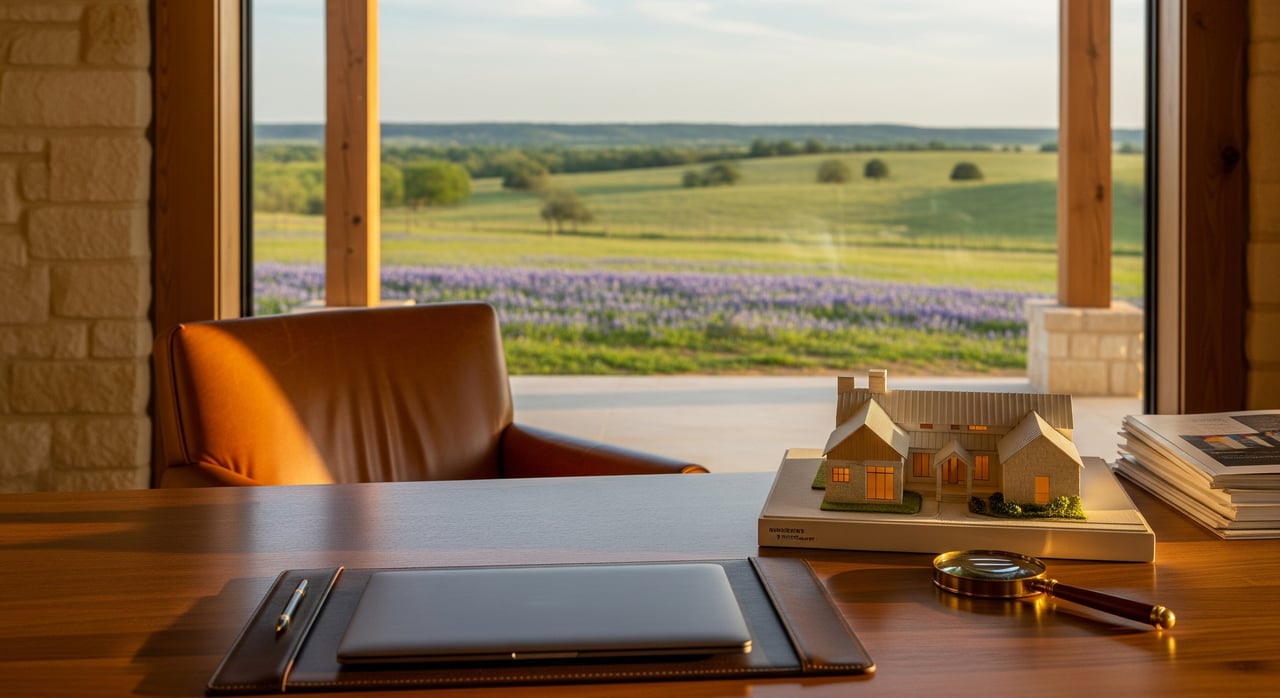
Hidden Costs of Buying Rural Property Near Taylor
Real Estate Paige Morris February 20, 2026
Real Estate Paige Morris February 20, 2026
Scrolling rural listings near Taylor and thinking land or a country home looks like a great deal? You’re not alone. Many buyers are drawn to larger lots, privacy, and the rural lifestyle—but later discover unexpected costs they didn’t factor into their budget.
In a few minutes, you’ll understand the most common hidden costs of buying rural property near Taylor, how they affect affordability, and how buyers who plan ahead avoid costly surprises. Let’s break it down.
Affordability in rural real estate goes far beyond the purchase price. While rural homes and land can appear cheaper upfront, the true cost of ownership includes infrastructure, utilities, maintenance, and long-term operating expenses.
A rural property may cost less to buy, but feel more expensive to own once you factor in wells, septic systems, fencing, access, and ongoing upkeep. Conversely, a higher-priced property with existing infrastructure may be more affordable over time.
Near Taylor, rural affordability depends on:
Existing utilities and infrastructure
Property condition and improvements
Land usability and access
Long-term maintenance and tax structure
One of the biggest hidden costs in rural properties is infrastructure.
Common examples include:
If a property does not have a functioning water meter:
Drilling a new well can be expensive
Existing wells may need testing, repairs, or upgrades
Water quality and flow rates matter
Unlike city sewer:
Septic systems must be inspected
Older systems may need replacement
Size and condition affect future expansion
Some rural properties require:
Running power lines to the site
Upgrading electrical panels
Propane or alternative energy solutions
These costs can add up quickly if not identified early.
Access is another commonly missed expense.
Buyers should look closely at:
Recorded easements for legal access
Private road maintenance responsibilities
Driveway construction or improvement needs
Private roads may require shared maintenance agreements, and properties without clear access can be costly—or impossible—to improve or finance.
Not all acreage is created equal.
Hidden costs often arise from:
Floodplain or drainage issues
Poor soils that limit building or septic options
Steep or heavily wooded terrain
Clearing, grading, and fencing
What looks like “extra land” can become expensive if only a portion is actually usable.
Property taxes play a major role in rural affordability.
Near Taylor:
Ag exemptions can dramatically lower taxes, but require ongoing use and compliance
Removing or failing to maintain an exemption can significantly increase tax bills
Homestead exemptions still apply, but timing matters
New buyers should understand whether exemptions transfer and what is required to keep them.
Insurance on rural property is often more expensive or more limited.
Buyers may face:
Higher premiums due to distance from fire services
Limited coverage options for older homes
Additional costs for outbuildings, barns, or equipment
Replacement cost—not just market value—should be reviewed carefully.
Rural ownership comes with ongoing responsibilities that urban buyers may not expect.
These can include:
Fence repairs
Road upkeep
Tree and land maintenance
Pest and wildlife management
These costs don’t always show up on a spreadsheet—but they affect long-term affordability.
Rural properties don’t always qualify for the same financing options.
Some challenges include:
Condition requirements for FHA or USDA loans
Limited appraisal comparables
Restrictions on properties with multiple structures or heavy land components
Understanding financing constraints early prevents wasted time and renegotiations.
The good news: hidden costs often create negotiation opportunities.
In many rural areas near Taylor:
Properties sit longer on the market
Sellers may be more flexible on price or concessions
Repairs, credits, or closing cost assistance can be negotiated
Prepared buyers can use knowledge of these costs to negotiate more effectively.
Rural property near Taylor tends to work best for buyers who:
Want space, privacy, and flexibility
Plan long-term ownership
Budget for ongoing maintenance
Value land and lifestyle as much as the home
It can feel less affordable for buyers who:
Expect city-level convenience
Maximize budget without reserves
Underestimate upkeep and infrastructure needs
A simple framework rural buyers can use:
Confirm utilities, water, and septic details early
Review access, easements, and surveys
Evaluate land usability—not just acreage
Understand taxes, exemptions, and insurance
Budget for maintenance and improvements
Negotiate strategically based on findings
Rural affordability isn’t about avoiding costs—it’s about planning for them.
Rural properties near Taylor can still offer excellent value—but only when buyers understand the full picture.
Affordability today isn’t just about finding a lower price. It’s about:
Understanding infrastructure and land costs
Planning for long-term ownership
Using negotiation and strategy
Working with local expertise
Buyers who approach rural property with education and preparation consistently have better outcomes—and fewer surprises.
If you’re considering rural property near Taylor and want help evaluating true costs, reach out to Paige Morris. You’ll get local insight, practical guidance, and a strategy built for rural Central Texas.
Are rural properties always cheaper to own?
Not always. Lower purchase prices can be offset by infrastructure, maintenance, and insurance costs.
Do ag exemptions transfer to new owners?
Sometimes. It depends on the property and continued qualifying use.
Are wells and septic systems expensive to replace?
They can be. Inspections are critical to understanding condition and future cost.
Is financing harder on rural properties?
It can be, especially for properties with condition issues or unique features.
Is rural property near Taylor still a good investment?
For buyers focused on long-term land value, lifestyle, and growth corridors, rural property continues to show strong fundamentals.
Stay up to date on the latest real estate trends.

Real Estate

Real Estate

Real Estate


Real Estate

Real Estate

Real Estate
Real Estate
Real Estate
If you’re weighing a lease renewal, eyeing your first homestead, or evaluating the potential of a ranch or land tract, I’ll map a clear path—timeline, budget, and next steps—tailored to Central Texas. Whatever your needs, I've got you covered.